
The Best Olympic Weightlifting Barbells, Prices, and Which Ones You Should Buy and Why
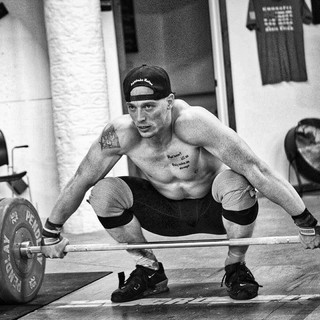
When it comes to building strength, refining technique, and protecting your body under load, nothing matters more than choosing the best Olympic weightlifting barbells. A great barbell isn’t just a piece of steel—it’s an investment in your performance, longevity, and confidence on the platform. At Gryphon Strength Barbell, we coach athletes who lift on everything from budget bars to world‑class equipment, so we know exactly what separates a good bar from a great one.

What Makes a Barbell “The Best” for Olympic Weightlifting?
To identify the best Olympic weightlifting barbells, you need to evaluate the features that directly affect your lifts:
1. Whip
A bar’s whip determines how it flexes under load.
More whip = smoother turnover and better rebound in the clean.
Too stiff = harsh on wrists and shoulders.
2. Knurling
Olympic weightlifting bars use a moderate, grippy knurl—not the cheese‑grater powerlifting style.
Look for:
Center knurl optional (depends on preference)
Consistent knurl marks for hand placement
Balanced grip without tearing skin
3. Sleeve Rotation
High‑quality bearings or bushings reduce torque on your wrists and elbows.
Bearings = smoother, faster spin (ideal for weightlifting)
Bushings = cheaper, still functional for beginners
4. Tensile Strength
Measured in PSI, this determines durability.
190k–215k PSI = excellent for Olympic lifting
Anything below 165k PSI is more prone to bending
Price Ranges for the Best Olympic Weightlifting Barbells
The best Olympic weightlifting barbells fall into three main price tiers:
Budget Tier ($150–$300)
Great for beginners or home gyms starting out.
Pros: Affordable, decent spin, durable enough for moderate use
Cons: Less whip, lower‑quality bearings, may not last under heavy volume
Examples:
Fringe Sport Wonder Bar
Rogue Echo Bar 2.0
Mid‑Range Tier ($300–$600)
The sweet spot for most lifters.
Pros: Better whip, smoother spin, higher tensile strength
Cons: Slightly less refined than elite bars
Examples:
Rogue Training Bar
American Barbell Performance WL Bar
Elite Tier ($600–$1,200+)
These are the best Olympic weightlifting barbells used in national and international competition.
Pros: Perfect whip, world‑class bearings, unmatched durability
Cons: Expensive—but worth it for serious athletes
Examples:
Eleiko IWF Weightlifting Training Bar
Uesaka Training Bar
Rogue Pyrros Bar
Which Barbell Should YOU Buy?
Here’s the breakdown based on your goals:
For Beginners
Choose a mid‑range bar with good spin and moderate whip.
Why: You need consistency and durability without overspending.
For Intermediate Lifters
Invest in a bar with high tensile strength and quality bearings.
Why: Your technique and strength now demand better feedback and smoother turnover.
For Competitive Athletes
Buy an elite‑tier barbell—the same style used on national platforms.
Why: Precision matters. The best Olympic weightlifting barbells help you train exactly how you compete.
For Home Gym Owners
Pick a bar that balances durability, price, and performance.
Why: You want something that lasts years without bending or losing spin.
Final Thoughts
Choosing the best Olympic weightlifting barbells is about more than brand names—it’s about matching the bar to your goals, training volume, and long‑term vision. A great barbell supports technique, protects your joints, and elevates your lifting experience every single session.
At Gryphon Strength Barbell, we believe your tools should empower your progress. Whether you're chasing your first PR or preparing for the national stage, the right barbell is a game‑changer.


